Concert photography represents one of the most challenging and rewarding specializations in the photography world. The photographers who have mastered this art form possess not just technical skill, but also deep musical knowledge, lightning reflexes, and the ability to anticipate magical moments before they occur. We spoke with several legendary concert photographers whose work has documented decades of music history, learning the secrets behind their most iconic images and the philosophies that guide their craft.
Understanding the Music First
Every photographer we interviewed emphasized that great concert photography begins with genuine appreciation and understanding of music. Ross Halfin, who has photographed everyone from Led Zeppelin to Metallica, explained that knowing an artist's catalog intimately allows you to anticipate peak moments during performances. When you understand song structures, you know when the guitarist will likely strike a dramatic pose or when the vocalist will reach for that climactic high note.
This musical knowledge extends beyond just the songs themselves. Understanding an artist's personality, stage presence, and performance style helps photographers position themselves optimally and prepare for characteristic movements. A punk band requires different approach and positioning than a classical ensemble or hip-hop performance. The photographers who consistently capture exceptional images are those who see themselves as documenting music as much as taking photographs.
The Technical Foundation
While artistry matters tremendously, concert photography demands solid technical competency. Danny Clinch, whose portfolio includes iconic images of Bruce Springsteen, Johnny Cash, and countless others, stressed the importance of mastering manual exposure control. Concert lighting changes constantly and dramatically, often faster than camera metering systems can track. Photographers must develop intuitive understanding of exposure triangles, adjusting settings instantly without taking their eyes from the viewfinder.
Modern autofocus systems have improved dramatically, but veteran photographers still emphasize the value of manual focus skills. In dim, chaotically lit environments with constantly moving subjects, autofocus can hunt or lock onto the wrong element. The ability to quickly switch to manual focus and nail critical shots has saved countless important images throughout these photographers' careers.
Light is Everything
Concert photography is fundamentally about working with challenging and constantly changing light. Ebet Roberts, whose career spans five decades including definitive images of Bob Dylan and Patti Smith, described concert lighting as both the biggest challenge and greatest creative tool in her work. Rather than fighting difficult lighting, experienced photographers learn to use it creatively.
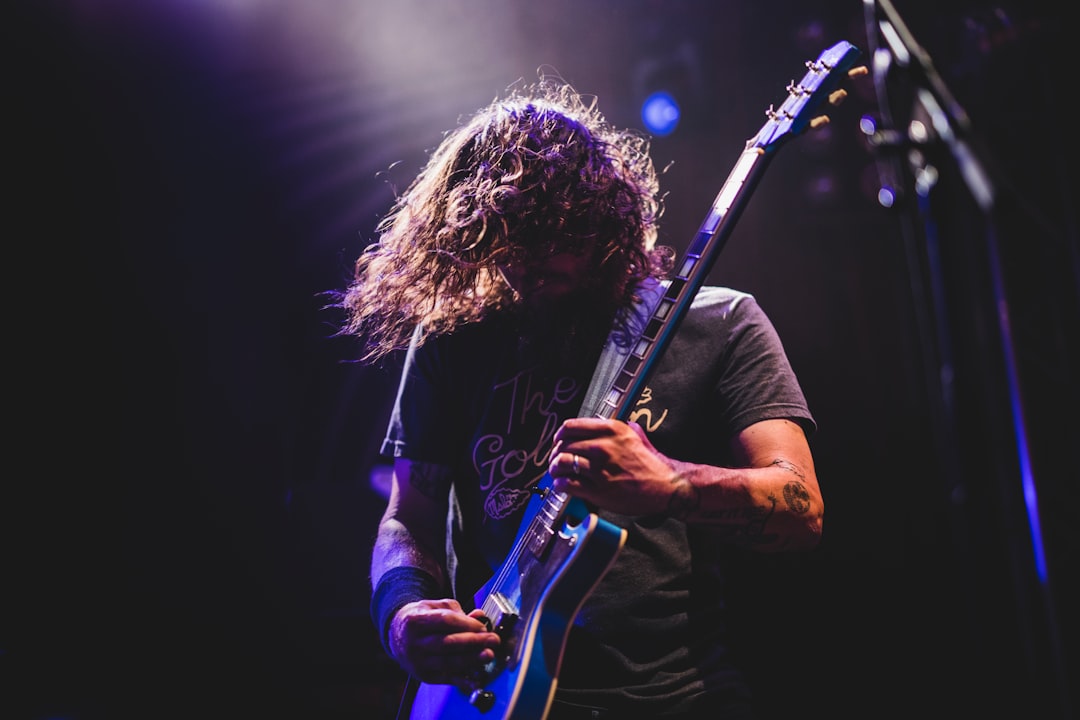
Dramatic side lighting creates mood and dimension. Backlit performers can become striking silhouettes. Colored stage lighting can enhance emotional content when used intentionally. The key is making split-second decisions about which lighting scenarios serve the story you are trying to tell with each image. Sometimes that means waiting through unflattering lighting for that moment when a spotlight hits a performer's face perfectly.
Position and Access
Where you can position yourself dramatically affects possible shots. The traditional photo pit in front of the stage offers proximity and eye-level perspectives, but photographers must work within constraints. Most major venues enforce the "first three songs, no flash" rule, giving photographers just nine to fifteen minutes to capture an entire performance.
Mick Rock, whose portraits of David Bowie, Queen, and Lou Reed became iconic, often advocated for negotiating additional access beyond standard photo pit privileges. Soundcheck access allows for more controlled shooting and often yields intimate images impossible during full performances. Backstage access captures different dimensions of artist personalities. Building relationships with artists and management over time opens doors to unique opportunities beyond what is available to photographers shooting from standard positions.
Capturing Emotion and Energy
Technical excellence means nothing if images fail to convey the emotion and energy of live performance. Kevin Mazur, who has photographed everyone from Madonna to Beyoncé, explained that he constantly seeks genuine emotional moments rather than just technically perfect shots. A slightly blurred image capturing an explosive movement can convey energy more effectively than a technically perfect but static photograph.
Reading performer energy and crowd dynamics helps photographers anticipate when something special will occur. The collective intake of breath before a beloved song, the building tension during an extended jam, the release when the drop hits, these moments create opportunities for powerful images that transcend mere documentation to capture the experience of being present at the performance.
Equipment Choices and Philosophy
Ask concert photographers about gear preferences and you will receive remarkably varied answers. Some swear by specific camera systems or lenses, while others emphasize that gear matters far less than skill and artistic vision. Most agree that fast lenses are essential for low-light work, with 24mm-70mm and 70-200mm f2.8 zooms being workhorses for concert photography.
Paul Natkin, who photographed the punk and new wave explosion of the 1970s and 80s, reflected on how equipment has evolved during his career. He shot legendary images on film cameras that would be considered primitive today, yet those photographs remain powerful because they captured genuine moments with artistic vision. Modern equipment makes technical execution easier, but the fundamental skills of anticipation, composition, and storytelling remain unchanged.
The Importance of Storytelling
The photographers we interviewed consistently emphasized viewing their work as storytelling rather than just taking pictures. Each image should convey something about the artist, the performance, the music, or the experience. A full photoset from a concert should tell a narrative arc, including establishing shots of the venue and crowd, intimate performer moments, peak energy captures, and possibly quiet or dramatic conclusions.
Baron Wolman, the first photographer for Rolling Stone magazine who documented Woodstock and the 1960s rock explosion, believed that concert photography serves as historical documentation. These images become visual records of cultural moments, capturing not just what performers looked like but the spirit and energy of particular eras in music history. This responsibility to document accurately while creating artistically compelling images guides many photographers' approaches to their craft.
Building Relationships
Successful long-term careers in concert photography depend significantly on relationships. Building trust with artists, managers, publicists, and venues opens doors to opportunities beyond one-off photo pit assignments. When artists trust a photographer's vision and discretion, they become more relaxed and authentic during shoots, yielding better images.
These relationships develop through professionalism, reliability, and delivering consistently strong work. Meeting deadlines, respecting boundaries, understanding what images are appropriate for publication, and generally being someone enjoyable to work with matter tremendously. Several photographers mentioned that reputation and relationships have become even more important as competition for limited photo pit spots has intensified.
Adapting to Changing Industry
The concert photography landscape has transformed dramatically over the past decades. The rise of social media has changed how images are used and valued. Smartphones mean every concert attendee is potentially a photographer. Increased restrictions on professional photographers while amateur phone cameras capture freely creates frustrating contradictions many professionals navigate.
Photographers have adapted by diversifying income streams beyond just editorial assignments. Print sales, licensing to artists for merchandise and promotional use, and teaching workshops provide revenue. Some have launched YouTube channels or podcasts sharing knowledge and behind-the-scenes stories. The most successful contemporary concert photographers treat their work as multimedia businesses rather than just taking and selling photographs.
Advice for Aspiring Concert Photographers
When asked what advice they would give photographers hoping to enter the field, our interviewees offered remarkably consistent suggestions. First, shoot everything possible. Local bands at small venues provide invaluable practice without the pressure of major assignments. These performances allow experimentation with techniques, equipment, and approaches while building portfolios.
Second, study the masters. Analyze iconic concert photographs to understand composition, lighting usage, and storytelling. Understanding what makes certain images timeless helps develop artistic sensibility. Third, develop your own voice and perspective. The field does not need another photographer copying established styles; it needs fresh viewpoints and approaches that reflect your unique vision and relationship with music.
Finally, persistence matters enormously. Breaking into professional concert photography requires dedication, countless hours of unpaid work building portfolios and relationships, and resilience through rejection and setbacks. Those who succeed are typically those who simply refuse to quit, continuing to shoot and improve even when progress seems slow.
The Future of Concert Photography
Looking ahead, concert photography faces both challenges and opportunities. Increased restrictions and competition make the field more difficult to enter professionally. However, the fundamental human desire to experience live music and see compelling images of performances ensures continued demand for skilled practitioners.
Emerging technologies like computational photography, better low-light sensors, and AI-assisted editing tools will change technical aspects of the craft. However, the essential skills of musical understanding, anticipation, composition, and storytelling will remain central to creating meaningful concert photographs regardless of technological evolution.
The photographers we interviewed remain optimistic about the future while acknowledging challenges. As long as live music exists, there will be need for talented individuals to document it compellingly. The specifics of equipment, distribution, and business models may change, but the fundamental art of capturing the energy, emotion, and transcendence of live musical performance will endure, carrying forward the legacy these legendary photographers have built while inspiring new generations to pick up cameras and tell their own visual stories of music.