
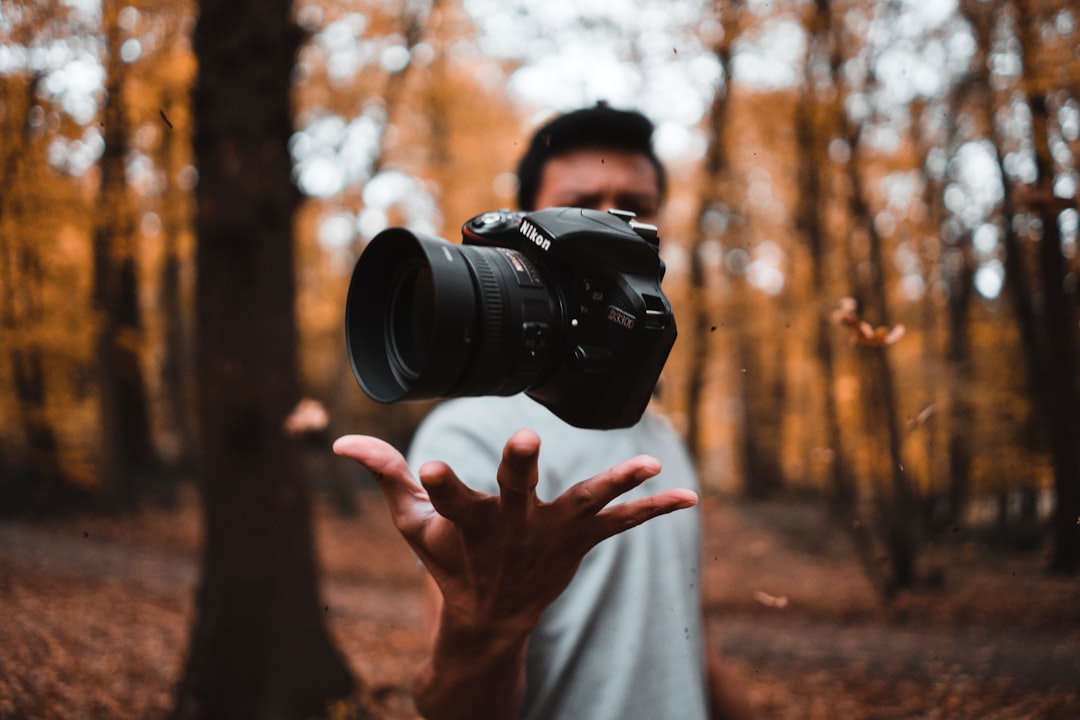
The landscape of live music photography has undergone a dramatic transformation in recent years, driven by groundbreaking advancements in camera technology. From mirrorless sensors capable of capturing stunning detail in near-darkness to AI-powered autofocus systems that track performers with unprecedented accuracy, today's photographers have access to tools that would have seemed like science fiction just a decade ago.
Concert photography has always been one of the most challenging forms of the craft. Photographers must contend with constantly changing lighting conditions, fast-moving subjects, restricted shooting positions, and the pressure to capture fleeting, unrepeatable moments. The margin for error is razor-thin when you have only three songs from the photo pit to get the shot that will define an entire performance.
The Mirrorless Revolution
The shift from traditional DSLR cameras to mirrorless systems represents perhaps the single most significant advancement in concert photography equipment. Without the mechanical mirror found in DSLRs, mirrorless cameras offer several crucial advantages for live music photographers. The electronic viewfinder provides a real-time preview of exposure and white balance, allowing photographers to see exactly how their images will look before pressing the shutter.
Modern mirrorless cameras like the Sony Alpha series, Canon EOS R lineup, and Nikon Z system have pushed the boundaries of what is possible in low-light environments. Sensors capable of producing clean, usable images at ISO 12,800 or even higher mean photographers can work in extremely dim stage lighting without sacrificing image quality. This capability has opened up new creative possibilities and allowed documentation of performances in venues where photography was previously nearly impossible.
AI-Powered Autofocus Changes the Game
Perhaps no innovation has impacted concert photography more than artificial intelligence-driven autofocus systems. The latest cameras can recognize and track human eyes, faces, and even bodies, maintaining focus on moving performers with remarkable consistency. This technology is particularly valuable when photographing energetic performers who move unpredictably across the stage.
The Sony A9 III and Canon EOS R3, for example, feature subject recognition systems trained on vast datasets of human movement. These cameras can predict where a subject will be milliseconds in the future and adjust focus accordingly. For concert photographers shooting fast-moving punk shows or hip-hop performances with multiple artists moving simultaneously, this technology has been transformative.
Silent Shooting Enables New Opportunities
The electronic shutter capabilities of mirrorless cameras have eliminated the mechanical click that once made photography during quiet moments disruptive. This silent shooting mode has proven invaluable not just for acoustic performances and classical concerts, but also for photographers working in smaller venues where every sound carries.
Many concert photographers report that silent shooting has improved their relationship with performers and venues. Without the distraction of shutter noise, photographers can work more discreetly and capture intimate moments during ballads or between-song banter that would have been impossible with traditional cameras.
High-Speed Performance Captures Every Moment
Modern cameras can shoot at astonishing frame rates while maintaining full autofocus and exposure functionality. The Sony A9 III can capture 120 frames per second, while the Canon EOS R3 offers 30 fps with full electronic shutter. This capability means photographers can document explosive moments like a guitarist's jump or a drummer's stick toss with certainty that they captured the peak of the action.
These high frame rates also provide insurance against the unpredictable. When shooting a performer who moves constantly, capturing dozens of frames in a single second significantly increases the odds of getting one perfect shot where focus, composition, expression, and lighting all align.
Computational Photography Enhances Results
Many modern cameras incorporate computational photography techniques that were once exclusive to smartphones. Features like in-camera HDR, where the camera automatically captures multiple exposures and combines them, help manage the extreme dynamic range found in concert lighting. A spotlight on a performer's face might be ten or more stops brighter than the darkened background, a range that would challenge any camera without computational assistance.
Some cameras now offer built-in image stabilization systems that work in concert with lens-based stabilization, providing up to eight stops of shake reduction. This allows photographers to work with slower shutter speeds in dim conditions while still achieving sharp results, expanding creative options significantly.
Connectivity and Workflow Integration
Modern camera technology extends beyond just image capture. Built-in Wi-Fi and Bluetooth connectivity allow photographers to transfer images to mobile devices immediately for social media posting or to send selections to clients during a show. Some photographers working for major publications or festivals can deliver edited images before the concert even ends.
Cloud integration features mean photographers can automatically back up their work while still shooting, providing peace of mind in an environment where lost or corrupted memory cards can mean disaster. These workflow enhancements may not be as glamorous as sensor technology or autofocus systems, but they have significantly changed how professional music photographers operate.
The Future of Concert Photography Technology
Looking ahead, the trajectory of camera technology promises even more exciting developments for music photography. Global shutter sensors that eliminate rolling shutter distortion are becoming more common, while advances in sensor technology continue to push low-light capabilities even further. Some manufacturers are exploring cameras with built-in neural processors capable of real-time scene recognition and automatic optimization.
Virtual reality and 360-degree cameras are opening new possibilities for immersive concert documentation, while high-resolution video capabilities blur the line between still photography and cinematography. Many concert photographers now routinely pull high-quality stills from 8K video footage, giving them more options for capturing perfect moments.
Balancing Technology with Artistry
While technology has undoubtedly made concert photography more accessible and technically achievable, the art of capturing compelling images still requires skill, creativity, and musical intuition. Understanding stage dynamics, anticipating peak moments, and composing powerful images remain fundamentally human skills that no amount of technology can replace.
The best concert photographers use advanced technology as a tool to realize their creative vision, not as a replacement for it. They understand that a technically perfect but emotionally empty image is far less valuable than an imperfect shot that captures the raw energy and emotion of a performance.
As camera technology continues to evolve, the possibilities for music photography expand correspondingly. What remains constant is the essential goal: to document and convey the power, emotion, and spectacle of live music through compelling visual storytelling.